












By Rjay Zuriaga Castor
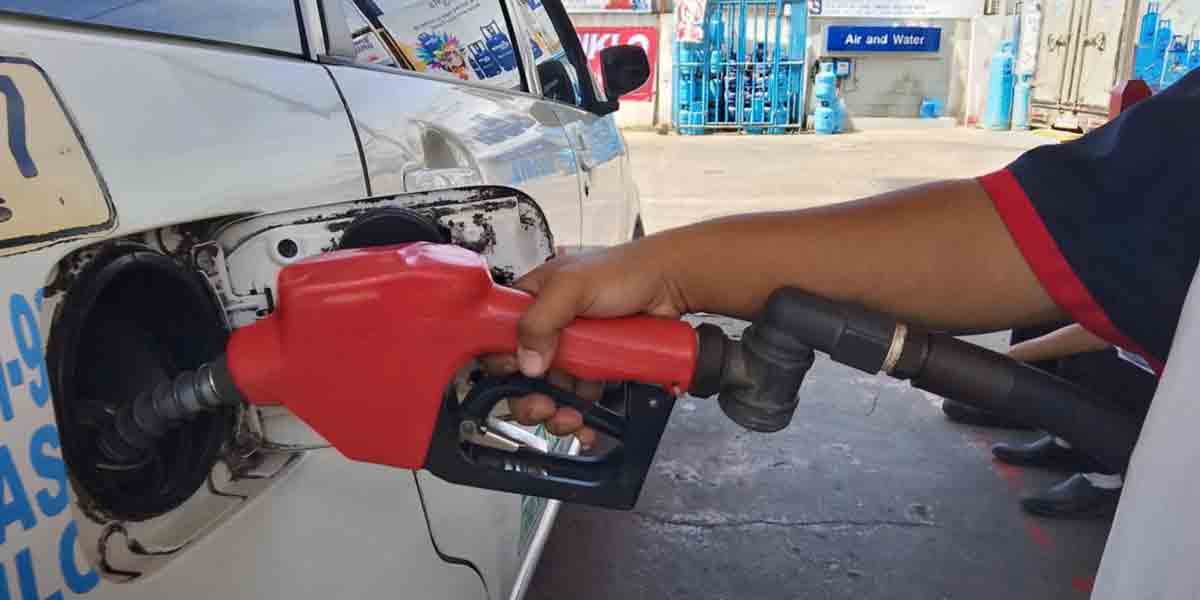
Customers of Metro Pacific Iloilo Water need not worry about higher water bills despite rising fuel prices, as the utility said it will absorb the additional operating costs and maintain normal services.
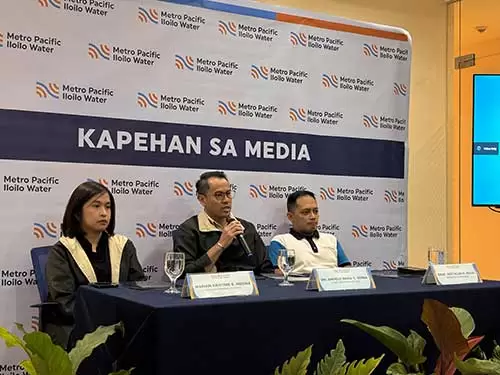
MPIW Chief Operating Officer Angelo David Berba said the company will shoulder the impact of fuel price hikes since water utilities lack an automatic “pass-through” mechanism to immediately raise tariffs and recover those costs from consumers.
Unlike electric power distributors, which can adjust rates more quickly through automatic generation rate mechanisms, water utilities must undergo a longer regulatory process before any tariff increase can take effect.
“Our operations remain in the status quo despite the impending fuel increase,” Berba said during a press conference Thursday, March 12.
“There was an increase last week, and it is happening in tranches, and we do not know how big the increase will be,” he added.
“But we will absorb the cost, and there will be no impending tariff increase,” he said.
“Even if we operate at a loss because of the fuel increase, our services will continue,” Berba emphasized.
Berba explained that water distribution operations rely heavily on fuel and electricity, particularly in sourcing water from bulk suppliers FloWater and Metro Iloilo Bulk Water.
Water tankering also remains one of MPIW’s biggest cost drivers aside from bulk water supply.
The utility delivers water through tankers to service areas such as Barangay Q. Abeto, Sinikway in La Paz, and the City Proper district.
MPIW deploys more than 100 tanker trips daily.
Despite rising fuel prices, Berba said water utilities cannot immediately pass on higher fuel or generation costs to consumers.
He said water utilities instead absorb the immediate financial impact because any rate adjustment must undergo a lengthy regulatory process.
To increase tariffs, MPIW must first apply with the water district, which then elevates the request to the Local Water Utilities Administration.
The process involves technical evaluations, public hearings, and possible revisions.
“We cannot just immediately impose an increase in tariffs because of rising fuel costs,” Berba said.
“It undergoes very strict regulatory review, and the process is tedious and takes time,” he added.
Berba assured consumers that water supply operations will remain stable despite fuel cost pressures.
MPIW currently maintains a bulk water supply of 70 million to 80 million liters per day, which the company considers normal.
Office operations will continue from 8 a.m. to 5 p.m.
Emergency repairs and customer assistance will remain available around the clock, including weekends.
To temper the impact, Berba said MPIW is implementing internal adjustments such as reviewing expenses and deferring nonessential spending to later quarters.
“There are sacrifices internally, but we make sure that the salaries of our employees are not affected,” Berba said.
Berba noted the utility can absorb the cost increases for now as long as diesel prices do not reach PHP 100 per liter.
If prices exceed that level, he said the company may need to reconsider its operational strategies.
“If it reaches and exceeds that ceiling, that is already a crisis, and we need to adjust,” he said.
As of March 12, diesel prices in the Philippines range from PHP 78 to PHP 84.75 per liter across major oil companies.
These follow massive price hikes that took effect starting March 10.
If prices climb further, MPIW may reduce fuel consumption in field operations such as water tankering activities and other fieldwork.