

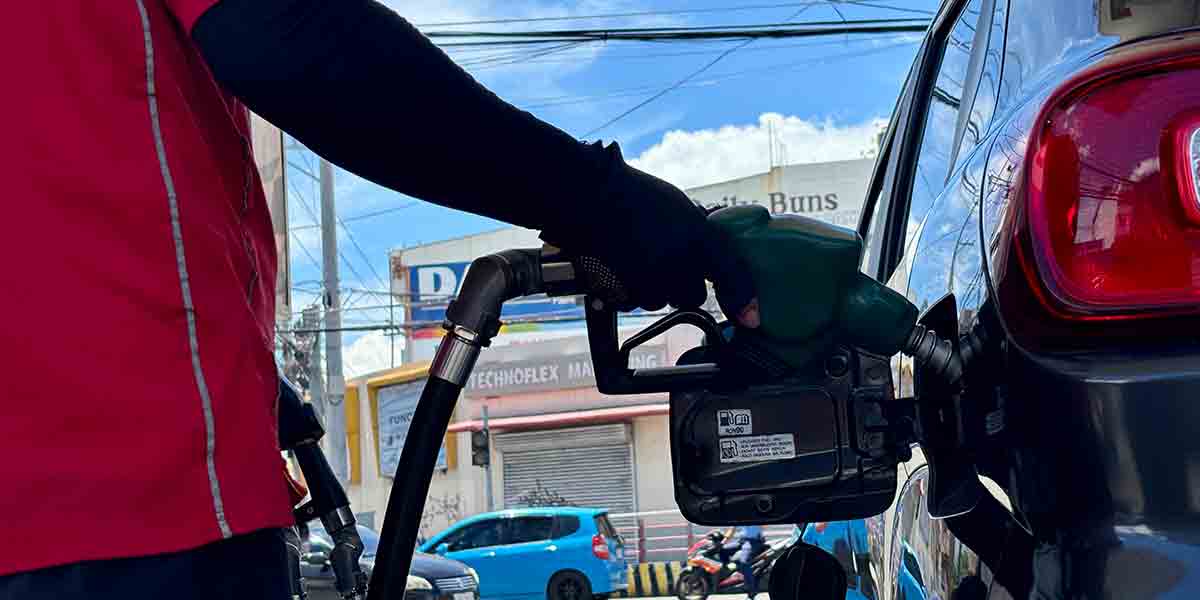









It’s a bit of a surreal morning when you realize a geopolitical chess match in the Middle East just rewrote the office schedule in Iloilo, Guimaras, and Negros Occidental. We like to think of ourselves as a sovereign, independent island nation, but the reality hitting our gas pumps tells a different story. If you’re driving around Iloilo City right now, you’re seeing diesel as high as PHP 75.00 per liter and kerosene – the lifeblood of rural kitchens – creeping toward PHP 99.89.
The “fragility of the local” isn’t just an academic term anymore. It’s what happens when a drone strike thousands of kilometers away in Iran forces a mom in Oton to figure out how to get her kids to school because the “new normal” is now a four-day workweek.
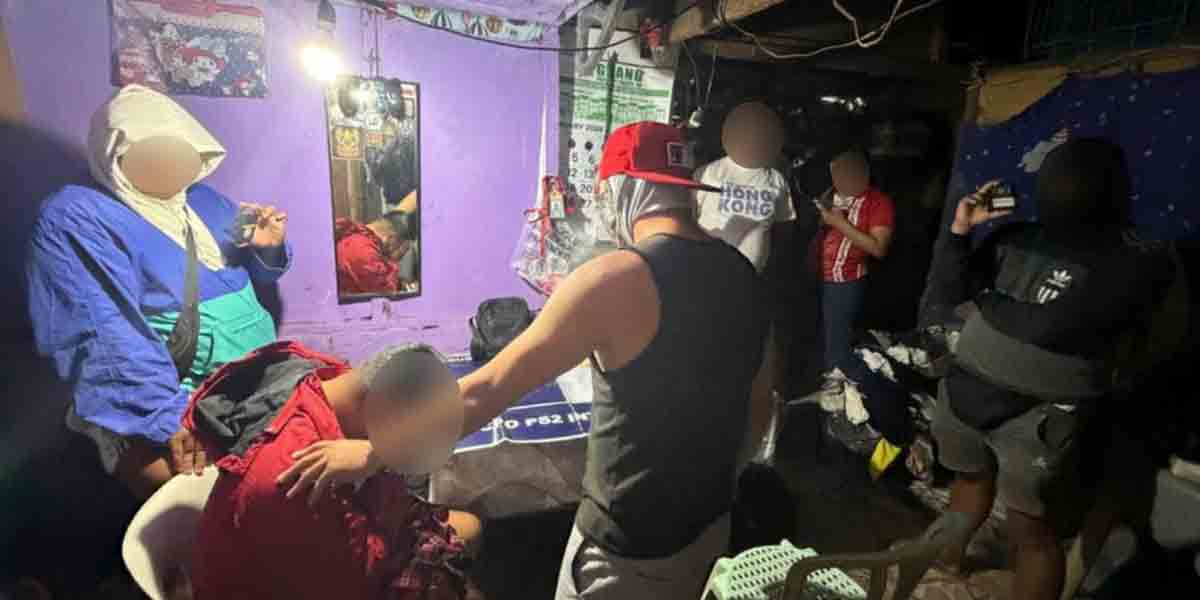
We are witnessing the government go into a defensive crouch. When the Philippine National Police (PNP) starts deploying Civil Disturbance Management units to “monitor” gas stations, it’s not just about stopping someone from filling a jug with petrol. It’s a loud, clear signal that the administration views fuel prices as a threat to national stability. They aren’t just worried about hoarding; they’re worried about the breaking point—that moment when the economic pressure turns into the kind of “transport-related protests” General Ibay is already prepping for.
The hard truth? We are “price takers” in the most literal, helpless sense. The Philippines lacks a strategic petroleum reserve of any real scale. We don’t have a cushion. When global supply chains sneeze, we get pneumonia. So, we resort to the only thing we can control: our time.
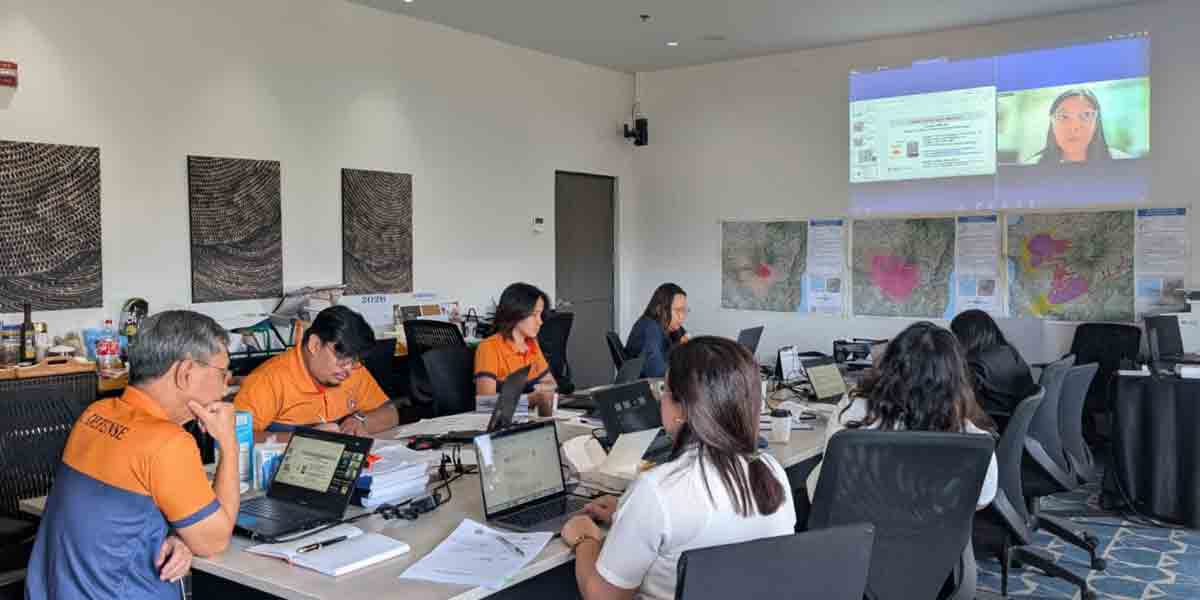
The implementation of Memorandum Circular No. 114 is a fascinating, if desperate, experiment. We’ve got towns like Oton shifting to a 7 a.m. to 7 p.m. schedule. It’s a pragmatic move to shave 10% or 20% off the power bill, sure – but it’s also a massive disruption to the rhythm of life. We are trading our Fridays for the ability to keep the lights on during the rest of the week.
Is this the permanent end of the five-day workweek? It might be. Between the escalating wars in the Middle East and the inevitable climate shocks that already hammer the Visayas, the “emergency” is starting to look like a permanent condition.
If we want to stop being so fragile, we have to look past these band-aid solutions. While it’s great that Iloilo City is swapping out streetlights for LEDs and Guimaras is talking about subsidies for fiber boat operators, these are reactive. A real solution-driven approach demands a radical acceleration of our own energy independence. We can’t control what happens in the Strait of Hormuz, but we can control how much of our grid is tied to it.
Until then, we’re left with police officers taking pictures of price boards and mayors pleading for “cooperation.” It’s a sobering reminder that in a globalized world, our local “normal” is only as stable as the furthest corner of the map.