











By Ray Adrian C. Macalalag
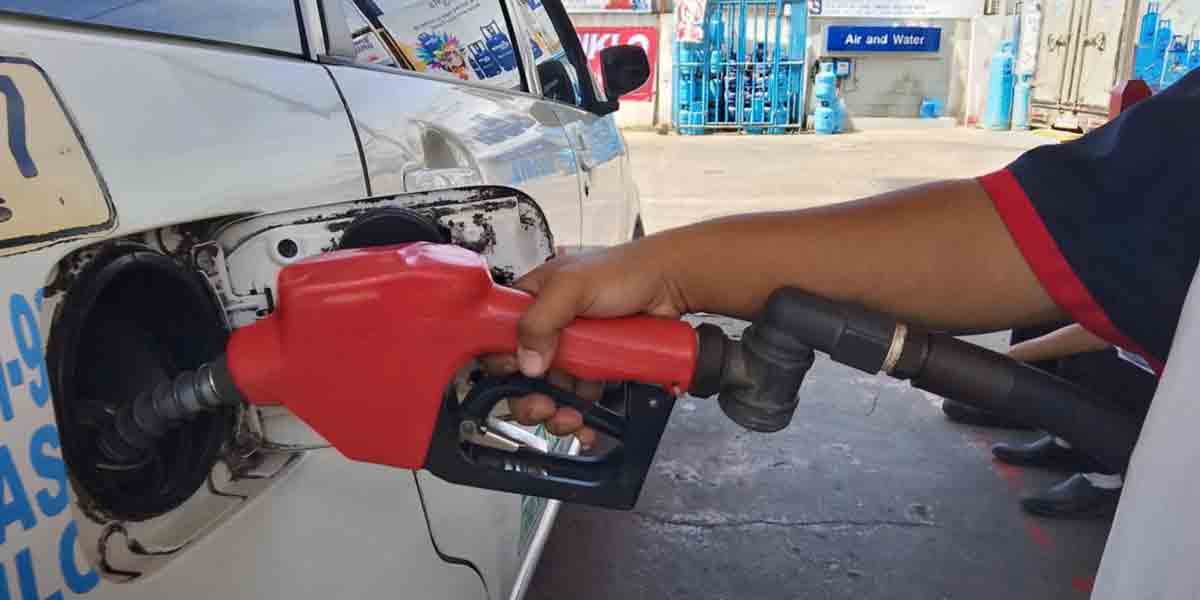
Fuel price hikes are once again knocking on the doors of Filipino households. This time the surge is driven by renewed conflict in the Middle East, which has shaken global energy markets and disrupted supply routes that carry a large share of the world’s oil. Analysts warn that the closure of strategic corridors like the Strait of Hormuz has already pushed crude prices upward and could intensify inflation across many countries.
For the Philippines, the implications are immediate. As a nation that imports most of its oil, any shift in global supply translates quickly to higher pump prices. Recent adjustments already raised gasoline by around PHP1.90 per liter, with diesel and kerosene also climbing. Economists caution that continued tensions in the Middle East could trigger further increases in the coming weeks.
This pattern is familiar. Each time geopolitical tensions escalate, fuel prices surge and ripple through transportation, food production, and logistics. The impact extends beyond motorists. Farmers pay more to run irrigation pumps and transport harvests. Fisherfolk face rising costs for every trip to sea. Commuters feel the pressure through higher fares or longer waiting times as transport operators struggle to balance expenses.
Government responses are necessary and often immediate. Authorities are considering subsidies for transport operators, farmers, and fisherfolk while studying possible tax adjustments to cushion the impact of rising prices. Yet public policy alone cannot absorb the full shock of volatile global energy markets. Communities and individuals must find practical ways to adapt.
One response lies in rethinking how we move within our cities. Short-distance travel does not always require a car or motorcycle. Bicycles offer a practical alternative for errands, commuting, and quick trips. Cycling infrastructure in several Philippine cities has already demonstrated how protected lanes can encourage more people to ride. When more citizens choose bicycles for short journeys, the result is lower fuel consumption and reduced household spending.
Public transportation also plays a crucial role. Parking the car for certain trips and choosing buses, jeepneys, or trains helps distribute fuel costs across many passengers rather than placing the burden on a single household. This approach supports drivers and operators whose livelihoods depend on passenger volume while easing the demand for fuel on congested roads. The effect is small on an individual level yet significant when practiced by thousands of commuters.
Carpooling offers another practical solution. Many urban workers travel along the same routes each day, often alone in their vehicles. Sharing rides with colleagues or neighbors divides the fuel expense among several passengers. It also reduces traffic congestion, which in turn improves fuel efficiency for everyone on the road.
The present situation also invites a deeper reflection on how technology and lifestyle changes can reduce dependence on fuel. The pandemic accelerated digital transformation across banking, education, and government services. Remote work arrangements, online transactions, and digital coordination have become more common. Each online meeting that replaces a physical trip contributes to a small reduction in fuel demand.
Energy crises often expose long-standing vulnerabilities. The Philippines relies heavily on imported oil, leaving the country exposed to geopolitical tensions far beyond its borders. The lesson from repeated price spikes is clear. Building resilient transport systems, investing in renewable energy, and designing cities that encourage walking and cycling are long-term strategies that reduce exposure to global shocks.
The present conflict reminds us that the cost of fuel is never determined solely at the local pump. It is shaped by global politics, supply routes, and economic uncertainty. The choices made by individuals and communities can soften the impact. When people shift travel habits, support efficient transport, and embrace digital alternatives, they take part in a collective response to a global challenge.
Fuel prices may continue to rise as long as conflict disrupts energy supply chains. The uncertainty is real and the burden is shared. Yet crises often reveal opportunities to rethink habits that once seemed fixed. In the face of rising oil prices, adaptation begins with simple decisions made each day on the road, at work, and within our communities.