












By Rjay Zuriaga Castor and Reamae Velasco
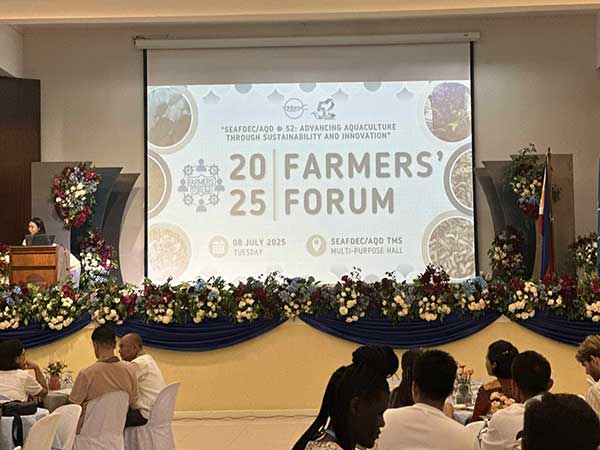
The Southeast Asian Fisheries Development Center Aquaculture Department is ramping up efforts to promote sustainable and innovative aquaculture practices through its annual face-to-face farmers’ forum.
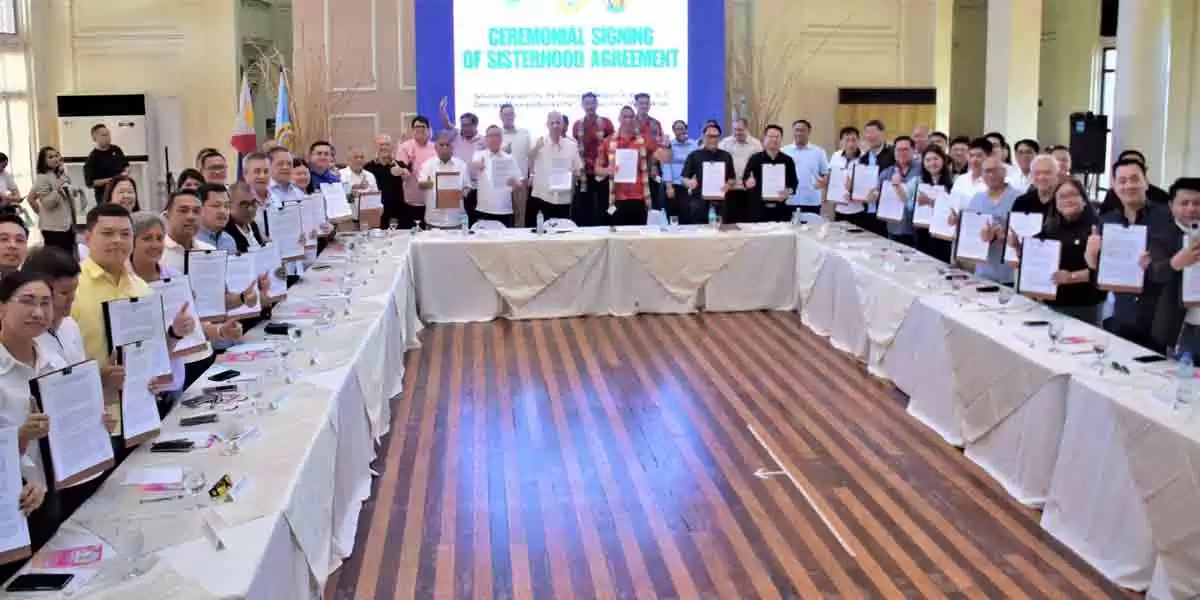
Nearly 150 fish farmers, researchers and aquaculture experts gathered to strengthen partnerships and share science-based technologies aimed at improving aquaculture production across the region.
The forum, held Tuesday, July 8, was part of the 52nd anniversary celebration of SEAFDEC/AQD.
“The goal is to strengthen the relationship, our partnership with each other over so many years,” said AQD Chief Dan Baliao.
“This reinforced partnership is key to advancing aquaculture in the country to a greater height,” he added.
The forum featured six lectures covering the nursery and grow-out culture of pompano in brackishwater ponds, hatchery operations for giant freshwater prawns, single oyster hatchery and nursery culture, fish genetics and shrimp farming technologies.
Baliao emphasized that the event addressed the entire aquaculture value chain—from hatchery to market—to make new and improved technologies more accessible, especially for farmers handling both traditional and emerging species.
A key component of the forum was the Aquaculture Clinic, where farmers consulted directly with SEAFDEC experts on topics such as pond culture, freshwater aquaculture, mariculture, crustaceans, and technical services like soil, water and proximate analysis.
Participants also joined hands-on sessions on practical skills including tilapia masculinization, feed formulation, disease sample collection and diagnosis, and induced spawning of catfish.
“Fish farmers have long practiced single-commodity farming,” Baliao said.
“We are encouraging them to explore other ventures like shrimp, mud crab and pompano, which are now trending,” he added.
Baliao also underscored the vital role of hatcheries in sustaining the aquaculture sector by providing high-quality seedstock to fishers.
“The success of our aquaculture industry starts with the hatchery,” he said.
“Without good seeds, there’s no sustainable production.”