













The collapse of the PHP 18.27 billion reclamation project in Iloilo City feels like a collective exhale.
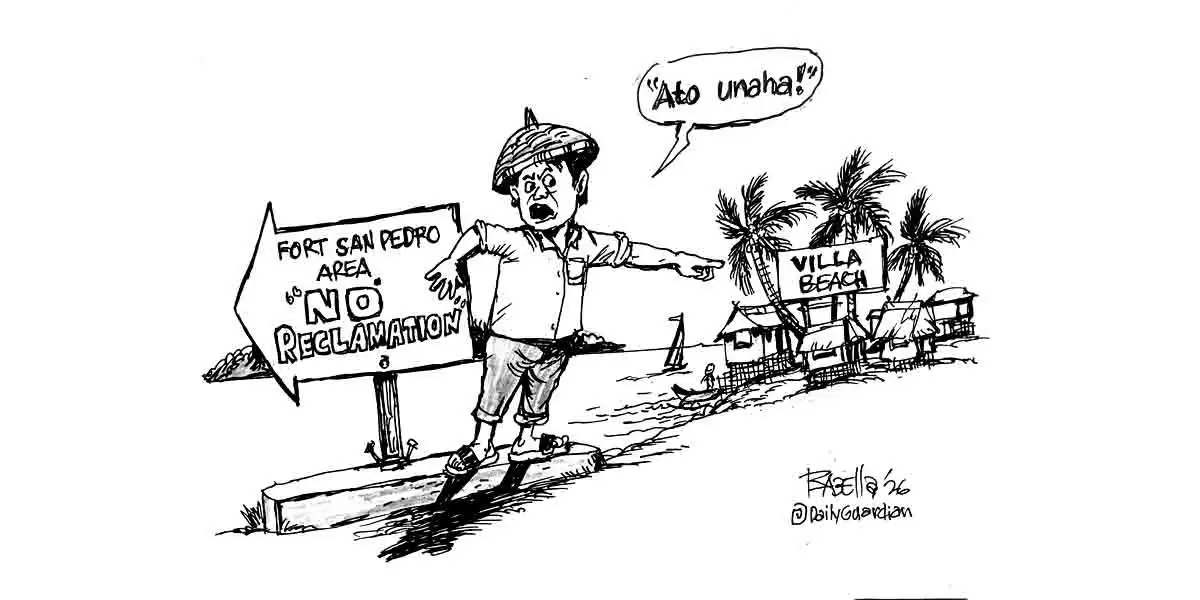
For months, we’ve been hearing about this 662-hectare “island-type” development – a massive undertaking that promised to rewrite our coastline from Fort San Pedro all the way to Villa Arevalo. But as the Iloilo City Public-Private Partnership PPP office recently confirmed, the negotiations are dead. The proponent, Iloilo Global City Corp., couldn’t meet the requirements of the new PPP Code (RA 11966) in time.
Now that the dust has settled on that “dead deal,” we have a rare moment to stop looking at the horizon and start looking at our own streets.
The Institute of Contemporary Economics (ICE) recently dropped some numbers that should make any local official pause: nearly 22,000 families in Iloilo are living in informal settlements. That’s about 20% of our population. These are not “others” or “blemishes” on a map; they are the people who keep this city running. They are the ones at the La Paz market before the sun is up or working construction sites in Mandurriao.
If we have the administrative energy to chase an PHP 18.27 billion dream of artificial islands, we surely have the capacity to fix the housing crisis sitting right in front of us.
Take the Villa Beach area in Arevalo. It’s a beautiful, complicated stretch of coast where the line between “neighborhood” and “hazard zone” is often blurred. The common reflex in urban planning is to just sweep these communities away to make room for “progress”—usually in the form of high-end commercial land that 90% of Ilonggos can’t afford. But the ICE analysis hits on a profound truth: lapit sa pangabuhian amo ang ginpili (proximity to livelihood is what was chosen). People live there because they need to be near the water, the markets, and the city core to survive.
Instead of waiting for the next developer to propose another mega-reclamation, why are we not talking about “common-sense” housing?
Reclamation is a high-stakes gamble. It’s environmentally taxing, legally exhausting, and – as we just saw – prone to total collapse. On the flip side, upgrading existing settlements is just sound economics. ICE argues that “upgrading in place” where it’s safe is often cheaper than building from scratch in some far-flung relocation site that turns into a “disconnected enclave.”
We need to be realistic, though. Some areas in Villa are genuine hazard zones. You cannot just “upgrade” a house that is destined to be underwater in ten years. But the solution is not a PHP 18.27 billion island; it’s integrated, mixed-income housing within the city. It’s land-sharing agreements where the government, private owners, and settlers sit at the same table to find a middle ground.
The “Dead Deal” is not a loss for Iloilo but a pivot point. We have a chance to build a city that actually holds together rather than one that fragments into “luxury islands” and “informal slums.”
Let us put that PHP 18.27 billion energy into the 22,000 families who are already here. After all, a city is defined by how it treats its people, not by how much land it can steal from the sea.