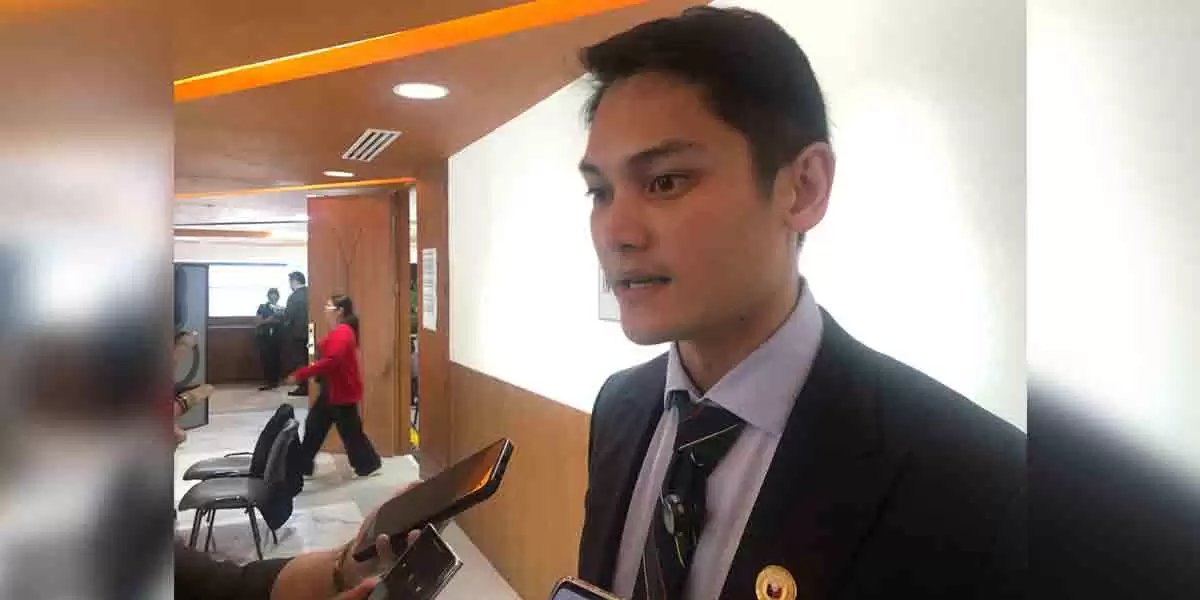













Here is a number that should alarm every Ilonggo: only 12 out of 180 barangays in Iloilo City have approved their annual budgets for 2026. That is 93 percent of the city’s barangays stuck on reenacted budgets — no new programs, no capital outlays, no salary adjustments, no expanded social services. Councilor Rex Marcus Sarabia, who chairs the appropriations committee, rightly called it a “widespread budgetary crisis.” If anything, that undersells it.
It gets worse. Thirty-three barangays did not even have approved operative budgets for 2025. Among Sangguniang Kabataan councils, the numbers are staggering: only two have approved 2026 budgets, while 94 lack operative budgets for the previous year. SK Federation President Jelma Crystel Implica explained that SK budgets depend on the barangay’s annual budget — if the parent budget doesn’t get passed, the youth council’s allocation stays frozen. That means youth development programming across Iloilo City is, for all practical purposes, dead in the water.
What makes this so frustrating is the contrast. Barangay officials are never short on enthusiasm for lakbay aral — those taxpayer-funded study tours to other cities, supposedly to learn best practices in governance. They can organize travel itineraries, book hotels, process travel authorities, and mobilize per diems. But when it comes to the one core function their office demands — passing an annual budget — suddenly the task is too complex. Liga ng mga Barangay President Maria Irene Ong cited the six-year master plan requirement as a challenge. Fair enough, but that requirement isn’t new. And if the Iloilo City Council can approve its own budget by December each year, why can’t a barangay council with a fraction of the fiscal complexity do the same?
Part of the answer is capacity. Sarabia himself conceded that budgeting is difficult even for a lawyer. But the deeper, less comfortable truth is that too many barangay officials have been reduced to political accessories — ward leaders and cheering squads for their patrons at City Hall. As policy consultant Michael Henry Yusingco has observed, barangay officials often end up representing their political sponsors to the community rather than the other way around. When your real job is delivering votes, the annual budget becomes an afterthought.
This dysfunction comes at a cost that lands squarely on the people who can least absorb it. Barangays nationwide are set to receive PHP 238.1 billion in national tax allotments for 2026, a 15 percent increase from last year under the Mandanas-Garcia ruling. More money is flowing to local governments than ever before. But money without a budget is money without direction — and in Iloilo City, that translates to what Sarabia described as “hundreds of millions in unrealized projects.”
The City Council has passed a resolution to investigate. That is a start. But the real intervention has to be hands-on: simplified budget templates, dedicated technical assistance from the City Budget Office, and actual deadlines with consequences. Not another lakbay aral. Not another seminar with a certificate and a group photo. What these barangays need is someone sitting beside the treasurer walking them through the spreadsheet — and the political will from City Hall to demand it gets done.
The Ilonggo public deserves better than a barangay government that can plan a trip but not a budget.